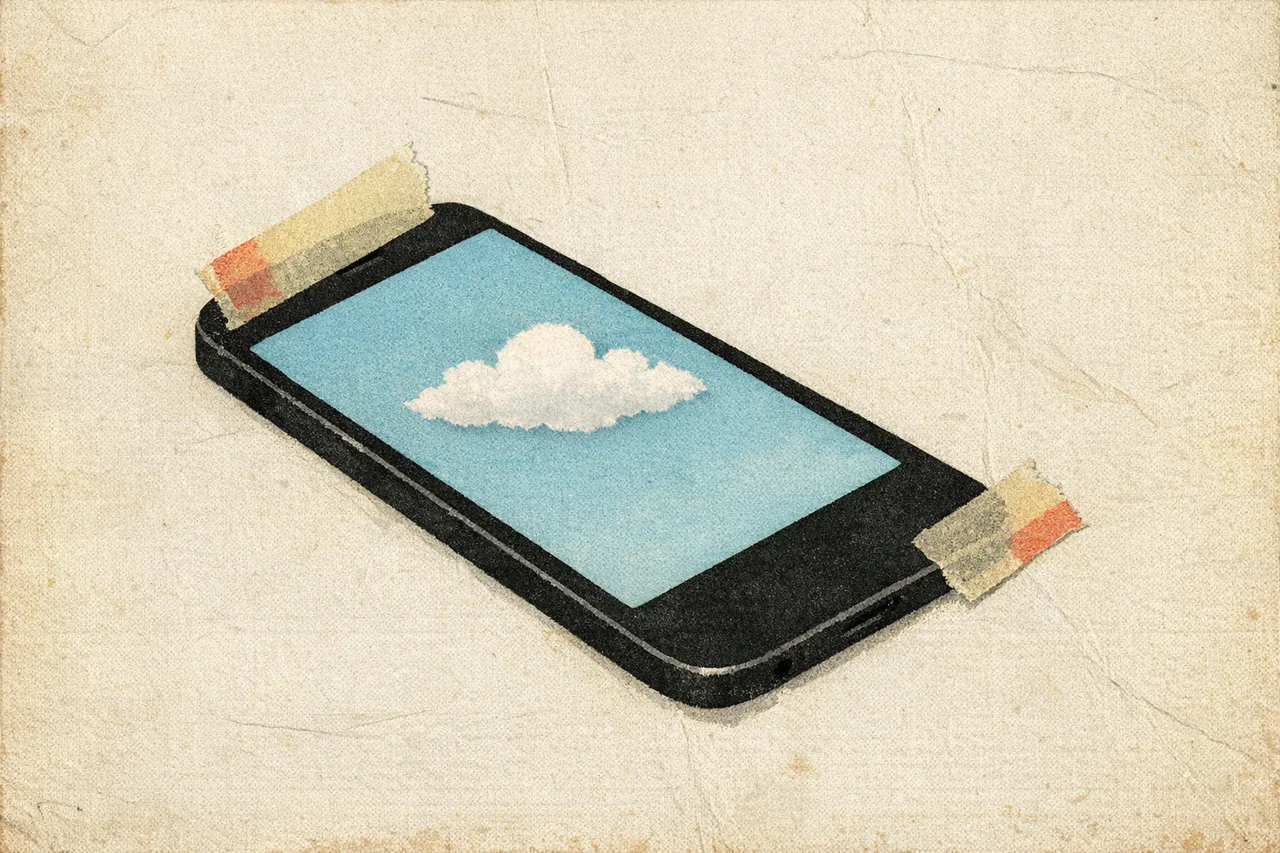
You didn't sign up for six hours of screen time today. Yet here you are—work emails at breakfast, group chats at lunch, and somehow three hours of "just checking one thing" later. If the phrase "digital detox" makes you picture silent retreats or locking your phone in a wooden box for a weekend, you're not alone. That's exactly why most people roll their eyes and keep scrolling.
Here's the twist: 2026 is reframing the whole idea. The power move isn't disappearing into the woods. It's tiny, strategic micro-detoxes that reclaim your focus, sleep, and actual human life—without the theatrics.
The wellness world has a new term for our collective burnout: neurowellness. The Global Wellness Summit tagged it as a top trend for 2026, and it boils down to this: modern life keeps your nervous system stuck in fight-or-flight mode, and people are finally pushing back. When the baseline is constant connectivity, even small boundaries create massive relief.
Consider the numbers. US adults average over six hours of total screen time daily, with smartphones alone eating up four to five hours. Nearly 70 percent of adults under 30 say they want to cut back. The problem isn't just time lost—it's the fragmentation. Forty-five percent report that nonstop notifications are tanking their attention spans.
So what exactly is a micro-detox? Think of it as a speed bump, not a roadblock. Switching your phone to grayscale mode suddenly makes Instagram look like a sad spreadsheet. Batching email checks into two daily windows. A digital sunset—powering down devices one hour before bed. Setting app limits or moving time-suck apps off your home screen. Taking one 30-minute offline block each day.
Here's where we pump the brakes on the hype. Evidence-based outlets like Psyche.co point out there's no proof that brief, total detox retreats work better than simply reducing specific problem apps. The magic isn't in martyrdom; it's in cutting the friction that keeps you locked in compulsive loops. Active nudges—like scheduled downtime and app limits—work just as well as full abstinence for most people.
The science backs this up. A one-week social media detox reduced anxiety by 16 percent and depression symptoms by nearly 25 percent in young adults. A two-week intervention cut average screen time in half, with participants reporting stress levels comparable to cognitive-behavioral therapy outcomes. Blocking mobile internet access measurably improves sustained attention, and people reclaim 10 to 15 hours per week on average. Smartphone use before bed suppresses melatonin and drags down sleep quality, while detoxing can add roughly 20 extra minutes of sleep per night.
The goal isn't digital purity. It's fewer inputs at the exact moments your brain needs recovery.
Let's be clear what a micro-detox isn't. It's not a 48-hour dopamine reset miracle. It's not proof you're addicted because you enjoy a good meme spiral. And it's definitely not a replacement for mental health care when you need it. The Harvard study on social media detox highlighted crucial individual variability—some participants felt dramatically better, others barely noticed a shift. Success looks like fewer compulsive checks, better sleep, improved focus, and more intentional connection.
Removing screens only works if you replace them with something satisfying. Walk without headphones. Keep a paper book by your bed instead of your phone. Try journaling or coloring—Mandarin Oriental's spas use these exact activities in their phone-free relaxation rooms. Cook something that takes 20 minutes of sustained attention. Schedule a conversation with a friend—no TV, no devices. Go outside for 10 minutes and literally touch grass. The point isn't to become a monk. It's to remember what focused attention feels like.
Ready to try it? Here's your starter plan.
Pick your most expensive app—the one that steals both time and mood. Doomscrolling, short videos, after-hours work email. Detox one thing first, not everything.
Make it slightly less fun. Activate grayscale mode. Move the app off your home screen. Log out after each use. Add a strict time limit. These digital nudges dramatically reduce unconscious checking.
Batch your checks. Set two daily windows for social media and email. Outside those windows, notifications are off. You're not unreachable—you're scheduled.
Install a digital sunset. Power down your phone one hour before bed. Swap in an analog wind-down: a book, a shower, stretching. Your melatonin will thank you.
Replace the habit with a real-world refill. Pre-commit to one analog activity immediately after your usual scroll time—a short walk, a hobby, a phone call. Ask yourself: did I reconnect with something non-digital today?
If you can manage 70 percent consistency, you're already ahead of the retreat crowd.
The real 2026 flex isn't disappearing from digital life. It's building boundaries so you can show up for your own. Try these steps for seven days. Keep what works, drop what doesn't. You're not failing if you don't go full hermit—you're succeeding by choosing a sustainable way to protect your focus, your sleep, and your sanity. The goal isn't to defeat your phone. It's to remember what you were doing before you picked it up.
You may also like

Why This 91-year-old Hike Lands Now
Can Movement Snacks Offset a Desk Day?

Which Face Sunscreen Fits Your Routine?
Can Younger Workers Afford Micro-retirement?

What If Plastic Free July Were Smaller?