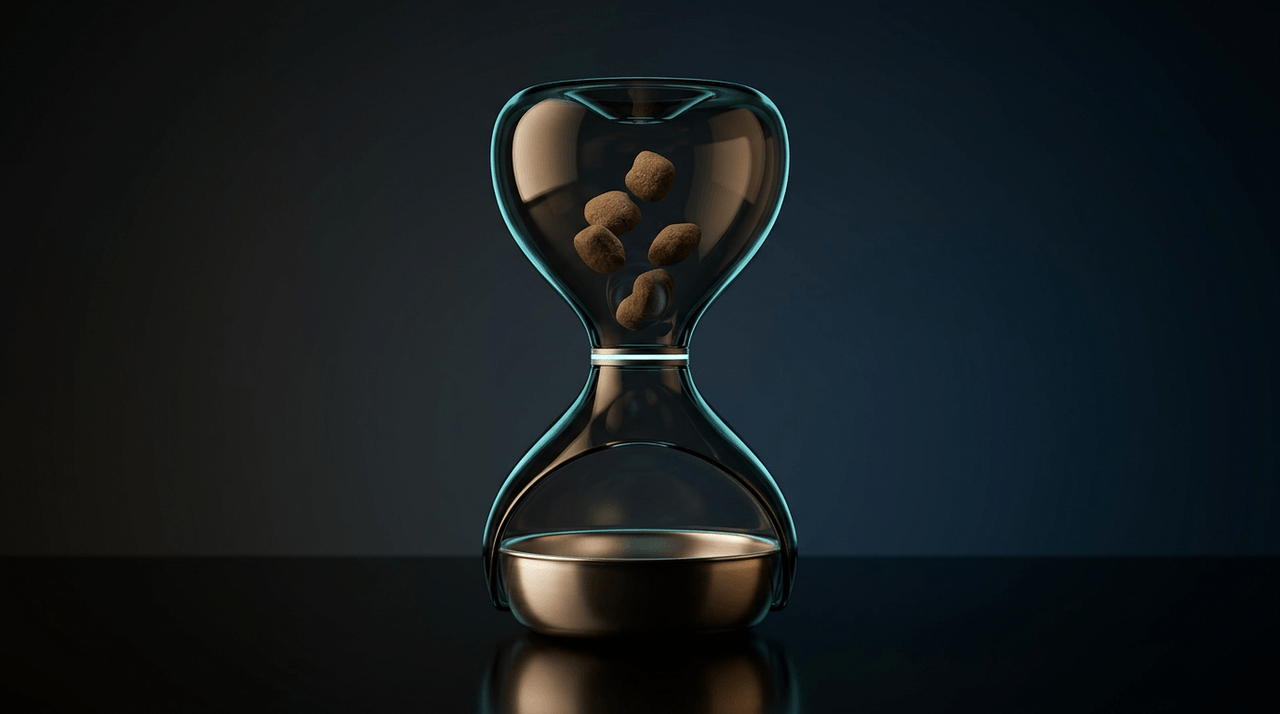
If your social media feed looks like mine, it's a cascade of mason jars layered with overnight oats, chia seeds doing their gelatinous magic trick, and someone earnestly explaining how they hit 40 grams of fiber before noon. Welcome to February 2026, the era of "fibermaxxing," where TikTok decided dietary fiber deserves a dramatic rebrand.
Behind the hashtag hyperbole lies a genuinely solid idea. Most Americans are fiber-starved, and fibermaxxing is basically "eat more plants" with better branding. The trick is doing it like a curious adult, not a competitive eater.
What Fibermaxxing Actually Means
At its core, fibermaxxing means intentionally pushing daily fiber intake toward 25–35 grams through whole foods like berries, beans, lentils, whole grains, seeds, and vegetables. UCLA Health dietitian Yasi Ansari notes the term is a misnomer: there's no official fiber "max," but the goal addresses a massive national shortfall.
The skepticism is warranted. "Maxxing" language nudges people toward extremes, treating fiber like a high score rather than nutrient balance. The smarter frame? Aim for enough and variety. Your gut isn't a video game boss.
The Plot Twist: We're All Under-Fibered
Here's why this trend caught fire: fewer than 1 in 10 U.S. adults meet daily fiber targets, with most averaging around 15 grams. Over 90 percent of women and 97 percent of men fall short of the recommended 25 and 38 grams respectively, according to the Department of Health and Human Services.
The culprit? Ultra-processed foods crowd out plants. If you've felt mysteriously snacky an hour after lunch or wondered why digestion feels like a part-time job, that missing fiber is your quiet culprit.
Fiber Science Without the Lecture
Fiber is the part of plants your body can't fully digest. Instead, gut bacteria ferment it into short-chain fatty acids like butyrate and propionate. These molecules support your gut barrier, calm inflammation, boost immune function, and encourage a diverse microbiome. Essentially, you're feeding a microscopic ecosystem that pays rent in better digestion and overall health.
There are two types worth knowing. Soluble fiber (oats, beans, apples) dissolves into a gel that slows digestion, supports steadier blood sugar, and can lower cholesterol. Insoluble fiber (whole wheat, brown rice, vegetables) adds bulk and keeps things moving. Most whole foods contain a mix, so you don't need to micromanage. Just diversify your plants.
The GLP-1 Connection
Here's a 2026-specific twist: GLP-1 medications like Ozempic can cause constipation by slowing gastric emptying. Fiber, paired with plenty of fluids, adds bulk and helps ease passage. If you're on these medications or have IBS, Crohn's, or bowel issues, consult your clinician before ramping up fiber. Personalized guidance beats one-size-fits-all maxxing.
Avoiding the Bean Burrito Betrayal
The universal fiber fail? Jumping from 15 grams to 40 overnight. Your gut microbes, suddenly flooded with fermentable material, produce gas faster than you can say "excuse me."
Increase fiber by 4–5 grams per week over three to four weeks. That's roughly one extra serving of beans or a tablespoon of chia seeds. Meanwhile, drink at least 48–64 ounces of water daily. Without adequate hydration, fiber can actually back you up instead of moving things along.
Hitting 25–35 Grams Without Drama
Reaching the target doesn't require a pantry overhaul. Think addition, not revolution:
- Breakfast: 1 tablespoon chia seeds in yogurt (8 grams) plus a cup of raspberries (8 grams)
- Lunch: Cup of lentil soup (8 grams) with whole-grain avocado toast (8 grams)
- Snack: Hummus (5 grams) with baby carrots and whole-wheat crackers (4–5 grams)
- Dinner: Cup of cooked beans (13–15 grams) in tacos, salads, or grain bowls
You don't need a new identity. Just add one fiber booster per meal.
The Hype Check
Fiber is associated with up to 24 percent lower early death risk and reduced rates of colorectal cancer, diabetes, and heart disease. It supports weight management through satiety. But it's not a magic shield, and more isn't automatically better.
The smartest voices in 2026 are shifting from "fibermaxxing" to fiber diversity, focusing on variety rather than a numbers game. Whole foods remain the gold standard. Fiber-fortified processed snacks are often wellness theater.
Your Move
Fibermaxxing is TikTok hype built on a real deficiency. The science is steady: fiber feeds your microbial allies, supports digestion, and links to long-term health benefits.
Pick one easy add-on this week. Maybe chia seeds in your smoothie. Maybe swapping white rice for quinoa. Go slow, drink water, and listen to your body. Your future self—and your plumbing—will thank you.
You may also like

Why This 91-year-old Hike Lands Now

Can Movement Snacks Offset a Desk Day?

Which Face Sunscreen Fits Your Routine?

Can Younger Workers Afford Micro-retirement?
What If Plastic Free July Were Smaller?