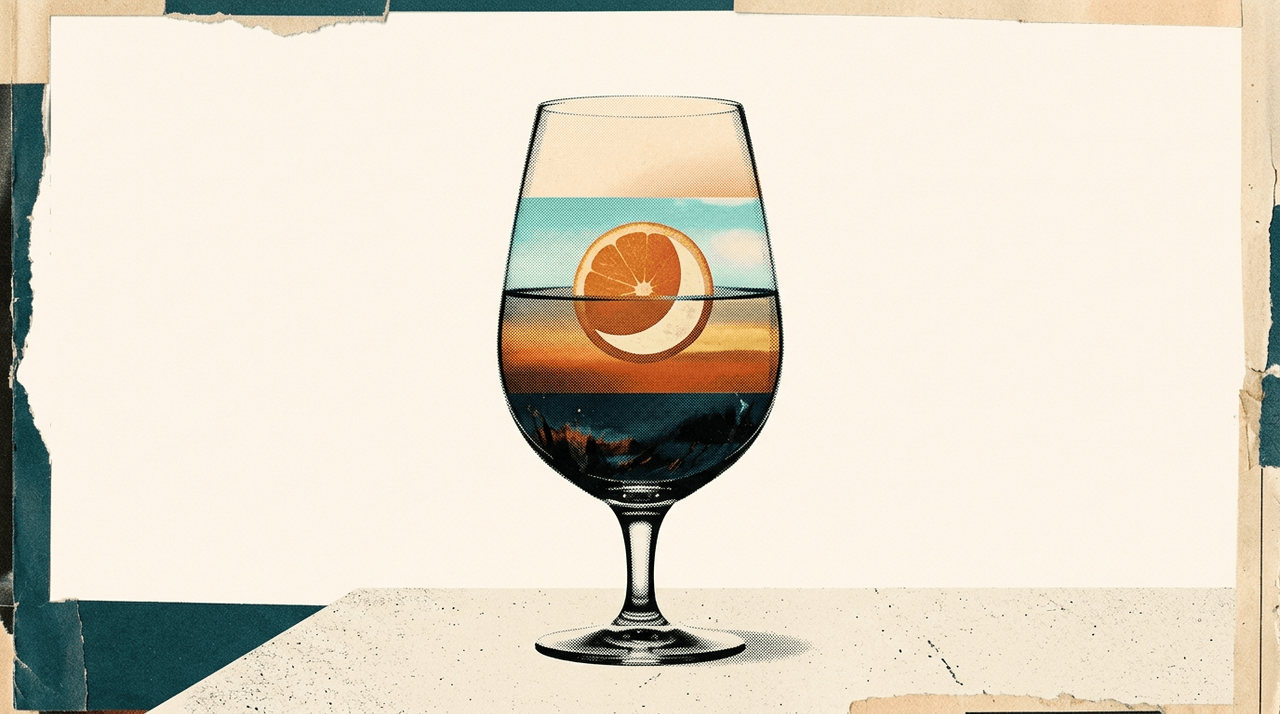
Picture an ordinary 2026 day: your morning drink promises focus, your lunch soda promises gut harmony, your 3 p.m. can promises calm, and happy hour promises a buzz without the hangover or the bad decisions. Somewhere along the way, beverages stopped being beverages and started applying for jobs.
So why is the drink menu suddenly full of liquid fixes? Because some of these products really do offer a limited, useful benefit, and because a lot of brands have realized that wellness sells even better when it tastes like peach mango. This is both a lifestyle shift and a business boom, with serious consumer demand underneath a lot of very glossy branding.
Why Every Drink Suddenly Has a Job
The short answer is convenience. People want health habits that feel easy, pleasant, and low-effort. A can is a lot more appealing than a lifestyle overhaul.
The business side is just as telling. The U.S. functional beverage market is projected to hit around $67 to $70 billion in 2026, and major companies are rushing in. PepsiCo bought prebiotic soda brand Poppi for about $2 billion. Starbucks is building a major platform around customizable protein and energy drinks. This is "soft wellness" in action: health that feels less like homework and more like a treat.
Morning: Focus, Energy, and Protein in a Cup
The morning coffee run now comes with a side of optimization. Energy drinks still dominate the category, holding roughly 40% of the market, but the pitch has changed. It's no longer just "wake up." It's "unlock clean energy, sharper focus, and maybe a better version of yourself before 9 a.m."
That's where brands like Celsius and Starbucks come in. Celsius helped lead the nootropic-energy push, while Starbucks is leaning into customizable refreshers and protein drinks. Some of this is genuinely useful. Caffeine still does most of the heavy lifting for alertness, and protein is a solid add-on for satiety or post-workout recovery.
Where things get murkier is the long list of nootropics. Ingredients like L-theanine, lion's mane, and paraxanthine are interesting, and some may offer modest support, but the evidence gets much less clear once they're packed into complex blends with sweeping claims. If the label reads like a TED Talk in a can, a little skepticism is healthy.
Lunch: The Gut-Health Soda Era
By lunch, the performance vibe gives way to digestion. In the office fridge or grocery cooler, the big stars are prebiotic sodas like Olipop and Poppi, along with a growing number of brand-name copycats. This is the fastest-growing part of the category, expanding at roughly 40% to 50% annually.
It looks slightly ridiculous on the surface, because yes, we've reached a point where fiber is a branding strategy. But it reflects a real need. Gut health is one of the top priorities consumers are chasing right now, and many people genuinely don't get enough fiber. Olipop is now in one in five U.S. households. That's not a niche. That's a movement with good snack-aisle placement.
The limit matters, though. A soda with added fiber isn't a full microbiome transformation. It may help, but it's still being sold through flavor, packaging, and the cultural miracle of soda rebranding itself as self-care.
Afternoon: Calm, Focus, and the "Do-Everything" Can
At 3 p.m., the functional drink world gets especially ambitious. This is the hour for cans that promise calm now, focus for your next meeting, and somehow better sleep later. Brands are building around adaptogens, magnesium, CBD, and calming nootropic blends, responding to real demand: sleep support, gut health, and focus are the top three benefits consumers are actively seeking in 2026.
Some of this makes sense. We live in a stressed, overstimulated culture, and certain single-purpose ingredients may offer modest support for calm or concentration. The desire is completely understandable.
But this is also where the category starts overpromising. A drink that claims to support mood, cognition, immunity, beauty, stress, and recovery all at once is probably selling aspiration more than chemistry. As a rule: the more life upgrades packed onto one label, the higher your eyebrow should go.
Evening: Nonalcoholic Drinks for Sobriety, Ritual, and "Buzz"
By evening, functional beverages move into bar and dinner-party territory. Nonalcoholic drinks with herbs, CBD, THC, or mood-forward positioning are becoming a real part of happy hour, especially for sober-curious people and anyone who wants the ritual of a grown-up drink without the alcohol.
That part is genuinely useful. These beverages can offer flavor, ceremony, and social ease without the downsides of drinking, and they reflect a broader, real shift toward moderation.
What's less solid is the promise of a perfectly calibrated "buzz without consequences." Effects vary, not every ingredient works the same way for everyone, and some brands are mostly bottling a vibe. Which is fine, up to a point. Just don't confuse elegant can design with enlightenment.
How to Read a 2026 Drink Label
The 2026 drink menu reflects something real: people want focus, digestion support, calm, protein, and better social rituals. It also reflects a gold rush to monetize self-improvement one can at a time.
A simple sorting rule helps. More credible usually means one familiar benefit, one understandable ingredient, and a modest promise. Less credible usually means a long ingredient list, sweeping claims, and branding doing more work than the formula.
Curiosity is useful here. So is skepticism. If a drink says it will change your life, it's probably just a drink.
You may also like
Why Trump's AI Voice Is Selling Housing Reform
Five Tips on Choosing a Premium Broker in Japan

Top 6 Tips to Get Credit Card Bonus Points

Why This 91-year-old Hike Lands Now
Can Younger Workers Afford Micro-retirement?