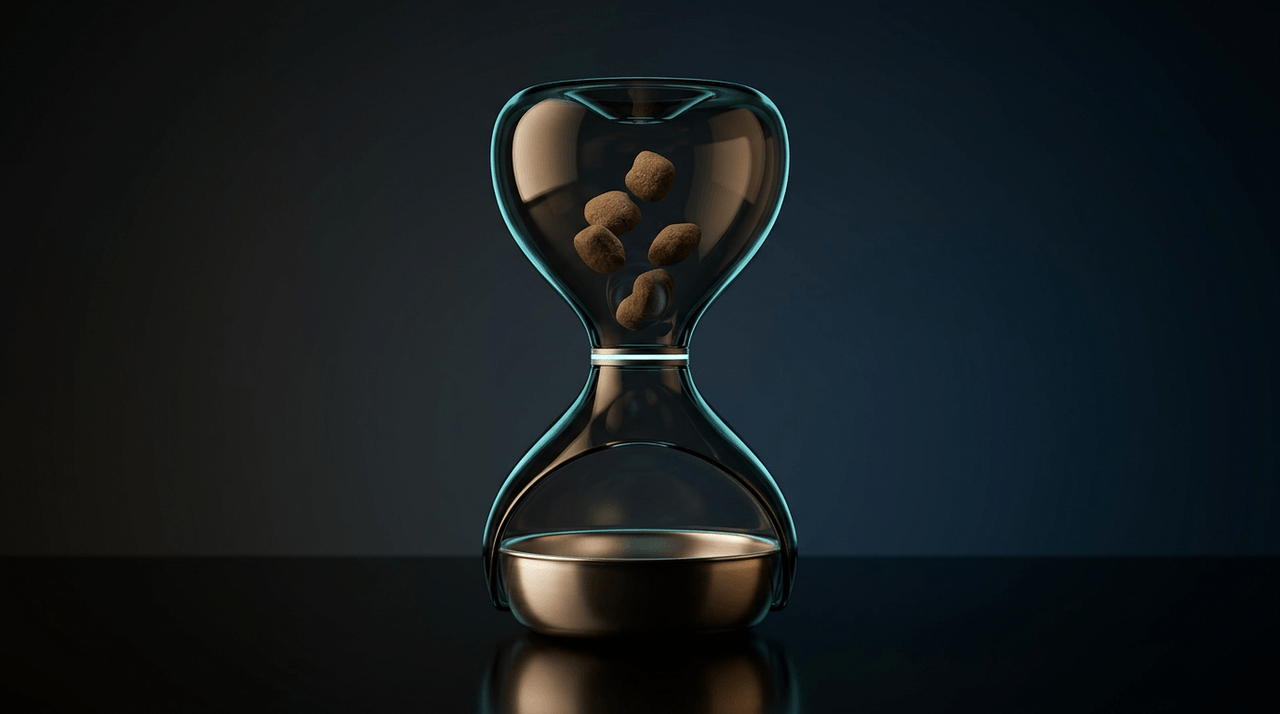
Picture your friend at the kitchen counter, holding a weekly injection pen like it's a live wire. "I want help," they say, "but I can't do needles." Now imagine them reaching for a daily pill instead. That's the quiet shift happening in obesity care, and it's worth understanding what changes when powerful medicines move from shot to swallow—and what doesn't.
The belly problem no one could crack
These drugs mimic a gut hormone called GLP-1 that naturally curbs appetite and slows digestion. For years, the only delivery method was injection. Why? Your stomach treats protein-based medicines like a steak, breaking them down with acid and enzymes before they can work.
Novo Nordisk solved this century-old puzzle by adding a molecular bodyguard called SNAC—a carrier that shields the drug just long enough to slip into your bloodstream. The result: Wegovy Pill (oral semaglutide 25mg), approved by the FDA in December 2025 and launched in early 2026 as the first oral GLP-1 specifically for chronic weight management. Don't confuse it with Rybelsus—that's the same drug at lower doses for type 2 diabetes only.
The numbers without the vibes
The OASIS-4 trial gives us real data: over 64 weeks, participants taking the daily pill lost an average of 13.6% body weight, with some reaching up to 17%. The placebo group? Just 2-3%. You still need diet and exercise—the pill doesn't replace those fundamentals.
Dr. W. Timothy Garvey, who led one trial site, cuts through the noise: "We need ways to keep patients on these medicines long term, and an effective oral preparation could help us do that." For needle-phobic patients, that's not hype—it's basic access.
Eli Lilly's orforglipron, expected for FDA approval in Q2 2026, showed 11.2% weight loss at its highest dose. More competition helps. It doesn't solve everything.
What this looks like in real life
Consider someone who starts the Wegovy Pill because weekly injections felt overwhelming. Taking it with breakfast fits their routine. By month six, they've lost meaningful weight and feel fuller faster. The daily ritual helps them remember broader health goals—not replace them.
Or someone else who loses weight quickly in the first three months, then stalls. Their doctor explains the pill works best alongside strength training, adequate sleep, and stress management. The medication is scaffolding, not a complete renovation.
Access is the plot twist
Here's where optimism meets math. Wegovy Pill costs $149 per month for uninsured patients at lower doses through at least April 2026. GoodRx and telehealth platforms are matching this price to boost access.
Yet the WHO projects that even with expanding production, fewer than 10% of people who could benefit will reach these drugs by 2030. The gap between availability and reach remains massive.
You may hear about new payment models in policy discussions. The broader truth stands: health systems are still figuring out how to pay for chronic obesity care.
The WHO reality check
In December 2025, WHO issued its first global guideline on GLP-1 therapies for obesity. The language is conditional, not enthusiastic. They recommend these drugs for adults with BMI over 30 only when combined with intensive behavioral support—structured diet, physical activity, and mental health resources.
Why conditional? Long-term data is still emerging. Costs strain health systems. Stopping treatment often leads to weight regain. As WHO Director-General Dr. Tedros Adhanom Ghebreyesus put it: "While medication alone won't solve this global health crisis, GLP-1 therapies can help millions overcome obesity and reduce its associated harms."
The population-level temptation
Here's a fascinating data point: U.S. adult obesity dropped from 39.9% in 2022 to 37.0% in 2025, representing roughly 7.6 million fewer obese adults. The decline slightly favors women, who represent most GLP-1 users.
But correlation isn't causation. No research confirms these drugs caused the drop. Public health shifts are complex. The more accurate story is that obesity care is finally being treated as medical and behavioral, not moral.
Follow the money
Eli Lilly surpassed $1 trillion market cap in early 2026, driven largely by GLP-1 sales. This signals massive demand and powerful incentives for innovation. It does not guarantee affordability, equitable access, long-term safety data, or a cure. The financial success is real. The unanswered questions are too.
The human work stays the same
The pill revolution is quieter than headlines suggest. It's a convenience breakthrough, not a character rewrite. If you're considering these medicines, think of them as scaffolding that supports your broader health architecture, not the foundation itself.
What works: consistent protein and strength training to preserve muscle, quality sleep, stress management, supportive community, and advocating for food environments that make healthy choices easier. The tools are improving. The human work remains.
The future of obesity care isn't a single pill—it's a system that treats weight health with the same seriousness and humanity we bring to any chronic condition.
You may also like

Why This 91-year-old Hike Lands Now

Can Movement Snacks Offset a Desk Day?

Which Face Sunscreen Fits Your Routine?

Can Younger Workers Afford Micro-retirement?

What If Plastic Free July Were Smaller?