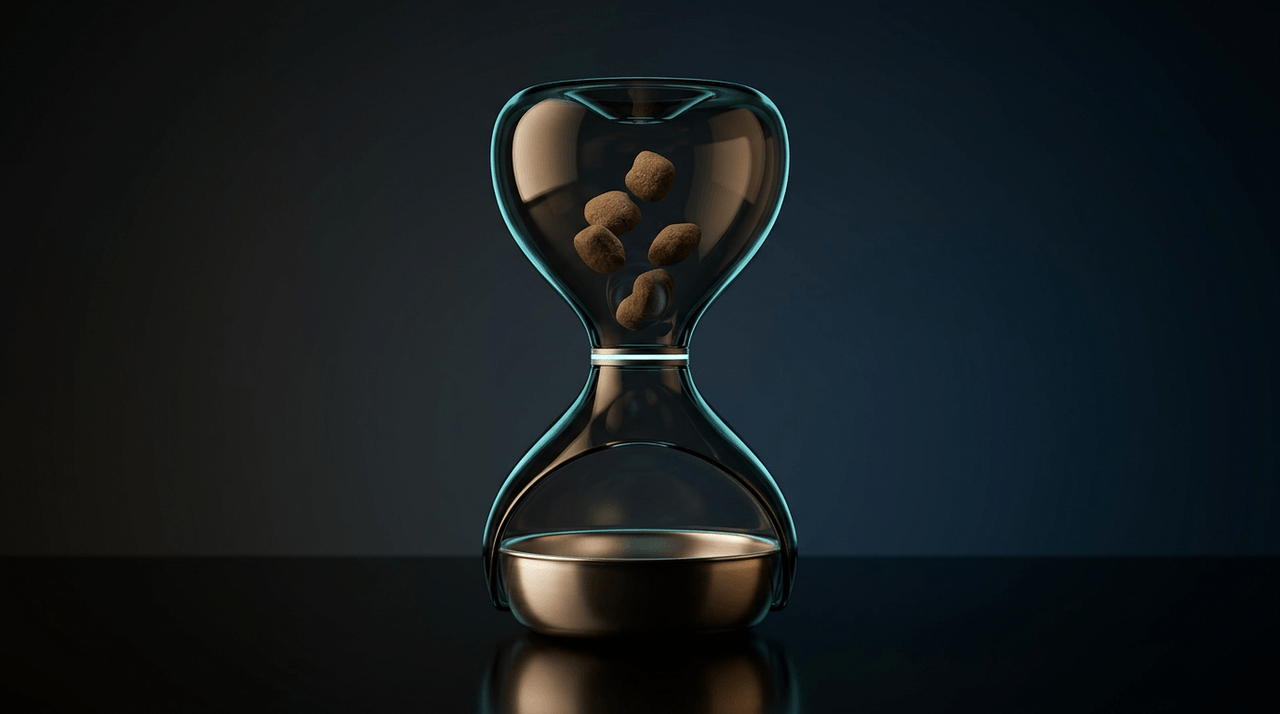
Seventeen tabs open, phone buzzing with a work thread that should have been an email, news alerts sending your cortisol into orbit. What if calm is not a personality trait you failed to inherit, but a trainable skill hiding in your own biology?
Welcome to neurowellness, the movement blending neuroscience with daily habits to help your nervous system recover faster. Real tools exist, but so does a marketplace eager to sell you certainty, speed, and $400 headphones that may or may not fit your ears. Here is what actually works, what to try before you buy, and how to spot the hype.
The 60-Second Nervous System Map
Your autonomic nervous system runs two modes: sympathetic (fight-or-flight for deadlines and traffic) and parasympathetic (rest, digest, and socially connect for sleep and actual conversation). The vagus nerve acts as a two-way superhighway between body and brain, carrying status updates in both directions.
Polyvagal theory, developed by researcher Stephen Porges, suggests these are not moral grades but shifting biological platforms. We move between them based on cues of safety or threat. The goal is not zero stress—impossible—but nervous system flexibility. Spike when you need to, then drop back down when the danger passes.
The Evidence-Based Basics
Breathwork That Is Not Magical
A 2023 meta-analysis of 12 randomized controlled trials found that slow-paced breathing (five to six breaths per minute) reduces stress with small-to-medium effect sizes. It also helps anxiety and depression, comparable in some studies to biofeedback devices costing hundreds. The mechanism: slow exhales stimulate the vagus nerve, shifting heart rate variability toward a calmer pattern.
Everyday Experiment #1: Set a timer for two minutes. Breathe in for four counts, out for six. Notice what happens to your jaw, shoulders, and racing thoughts.
Vagus-Friendly Micro-Stimulations
Research from OU Health suggests simple practices like humming, gargling, or extending your exhale can enhance parasympathetic activity and reduce inflammation markers. The key is consistency, not voltage.
Everyday Experiment #2: After a stressful call, try a 30-second double exhale. Breathe in normally, then exhale like you are fogging a mirror. Check if your heart feels slightly less urgent.
Somatic Practices Without the Therapy
Somatic experiencing, developed by Peter Levine, releases stress through the body. The core idea: pendulation, oscillating between a stress sensation and a safety cue. This builds flexibility without overwhelming your system.
Everyday Experiment #3: Take 90 seconds. Find three neutral objects in the room. Feel your feet on the floor. Briefly notice one area of tension, just as a signal, not a story. Return to your feet and neutral objects. Repeat once.
Biohacking Fails (and Why They Matter)
The wellness industry has a sense of humor, sometimes accidentally. Consider the person who bought $400 Neurable headphones to track focus, then discovered the EEG sensors only work if the ear pads fit perfectly—which they rarely do during actual movement. Or the optimizer who tried heart rate variability breathing while answering a hostile Slack message, watching their calm score plummet in real time.
These moments reveal a truth: nervous system regulation works best woven into life, not stacked as another metric. The goal is not to track every microstate but to build a body that trusts itself enough to settle when the world gets loud.
Emerging Neurotech: Promising or Premature?
The Global Wellness Summit identifies neurowellness as a top 2026 trend, splitting the field into "hard-care" neurotech and "soft-care" somatic practices. Hard-care includes non-invasive vagus nerve stimulators like gammaCore (FDA-cleared for cluster headaches but often marketed broadly with limited large-trial support) and EEG wearables like the FDA-cleared NAOX LINK in-ear system. Consumer prototypes like NAOX WAVE aim to track brain activity during daily life but face real-world challenges: motion artifacts, fit inconsistency, unverified proprietary algorithms.
Before buying, ask: What is this device cleared for versus marketed for? Is the evidence independent and replicated? What is the simplest no-cost version of this intervention? Often, that version works just as well.
A Simple 7-Day Lab (No Gadgets)
Days 1–3: Practice two minutes of slow breathing daily. In for four, out for six. Notice sleep onset ease and morning irritability.
Days 4–5: Add one vagus cue—a long exhale or 30 seconds of humming during a transition (parking your car, closing your laptop).
Days 6–7: Add a 90-second somatic reset. Orient to the room, feel your feet, pendulate between one stress signal and a neutral anchor.
Track one or two subjective measures: How fast do you fall asleep? How often do you snap? How quickly do you recover from a stressful email? Success looks like slightly faster recovery, fewer spirals, more choice in how you respond.
The Work Is Learning to Listen
Nervous system regulation is not a personality upgrade you purchase or a biohacking badge you earn. It is a trainable capacity living in your breath, your posture, your ability to notice safety around you. Connection and small embodied cues outcompete the hype. Keep what helps, drop what does not, and beware anyone selling certainty. Your nervous system is already speaking.
You may also like
Why This 91-year-old Hike Lands Now
Can Movement Snacks Offset a Desk Day?

Which Face Sunscreen Fits Your Routine?
Can Younger Workers Afford Micro-retirement?

What If Plastic Free July Were Smaller?